
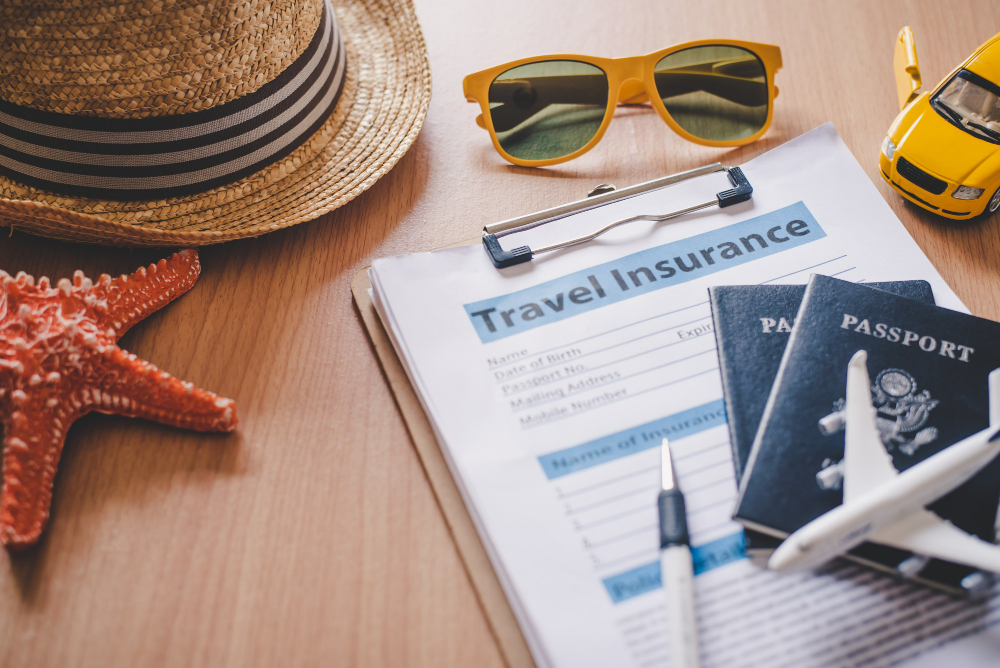
The average person prefers not to think about mishaps that can occur while traveling. However, travel insurance can be invaluable in cases of trip cancellations, medical emergencies, or unexpected events disrupting your plans.
Do You Really Need Travel Insurance?
The first question to consider is whether travel insurance is necessary. According to Jeffrey Miller, a travel law attorney at Florida Atlantic University, the answer isn’t always clear-cut; it largely depends on your personal situation and the nature of your trip.
“The typical young adult visiting Vegas might not need travel insurance,” Miller explains. “But if you’re in your 40s and have elderly parents who might fall ill, getting coverage is a smart choice.”
Generally, it’s wise to insure trips costing several thousand dollars or more. Other factors to consider include the age and health of the travelers and whether the itinerary involves remote or potentially risky locations.
Types of Travel Insurance Plans
There are various travel insurance plans available. You can choose to consult a travel agent or use an online aggregator to find the best option. Typically, policies fall into three main categories: basic, mid-level, and premium, with the latter two options offering more extensive coverage at a higher price.
5 Tips for Finding the Best Travel Insurance
CFAR insurance allows you to cancel your trip for any reason, but it typically costs 40% more than standard policies. Additionally, CFAR policies often only reimburse 50% to 75% of your trip expenses, which may not cover all your costs.
Assess Your Current Insurance Coverage
Before purchasing additional travel insurance, check if your current policies offer any coverage. Some credit cards include travel insurance benefits, such as protection against trip cancellations or lost luggage. However, these often come with maximum payout limits. Additionally, your existing auto insurance may cover rental cars.
Comparison Shop
When booking flights, airlines often encourage travelers to purchase their travel insurance. Whether you choose to go this route or not, websites like InsureMyTrip and SquareMouth allow you to compare multiple insurance options quickly, helping you find the coverage that meets your needs.
Be Aware of Timing Provisions
If you’re planning a trip to a hurricane-prone area, consider purchasing insurance well in advance. Once a storm is named, it may be too late to get comprehensive coverage. Many insurers recommend buying travel insurance within 14 days of your initial trip payment to enjoy full benefits, including pre-existing condition coverage.
Consider 12-Month Insurance Policies
If you take more than two major trips a year, an annual travel insurance plan may save you money compared to purchasing individual trip policies. This can be especially beneficial if your travel plans are frequent.
Review Cancellation For Any Reason (CFAR) Coverage
CFAR insurance allows you to cancel your trip for any reason, but it typically costs 40% more than standard policies. Additionally, CFAR policies often only reimburse 50% to 75% of your trip expenses, which may not cover all your costs.
