
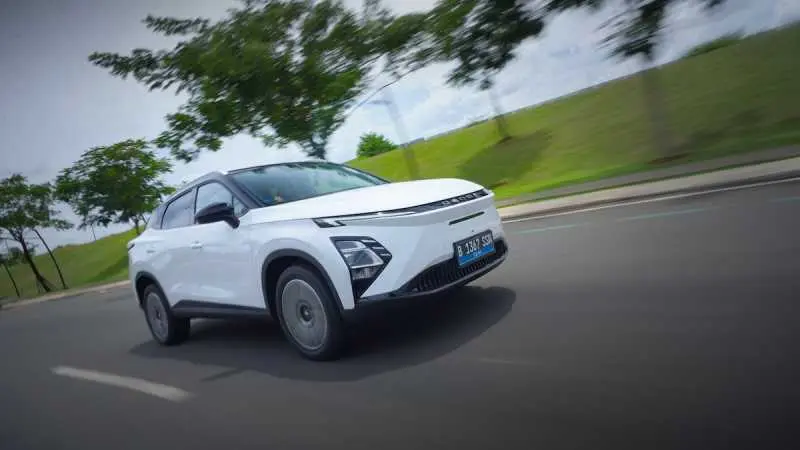
As the adoption of electric vehicles (EVs) skyrockets worldwide, the question of whether to opt for electric vehicle insurance or stick with traditional auto insurance has become more pressing for car owners. While both types of insurance provide critical protection, they cater to different needs. So, which is the better choice for you?
Why Vehicle Insurance is Essential
Vehicle insurance serves as a financial safety net, offering protection against a wide range of risks. For any car owner—whether they drive an EV or a fossil-fueled vehicle—having the right insurance is vital. Key benefits include:
- Accident Coverage: Repairs or replacements after collisions.
- Natural Disaster Protection: Coverage for damage caused by floods, earthquakes, and storms.
- Theft Compensation: Reimbursement for stolen vehicles based on their market value.
- Vandalism and Sabotage Protection: Coverage for damages caused by third parties.
- Third-Party Liability: Paying for damages or injuries to others caused by your vehicle.
- Roadside Assistance: Access to 24/7 emergency services.
- Replacement Vehicle: Temporary use of another vehicle while repairs are underway.
Comparing Electric and Traditional Vehicle Insurance
Although both types of insurance aim to mitigate financial risks, electric vehicle insurance differs significantly from traditional policies in key areas:
- Premium Costs
EV insurance often comes with higher premiums due to the specialized nature of these vehicles. Their cutting-edge technology and unique components make repairs costlier compared to traditional vehicles. - Battery Protection
The battery is the heart of an EV and one of its most expensive components. Modern EV insurance policies now include dedicated coverage for battery damage, performance degradation, and even theft of charging stations. - Repair and Maintenance
Fixing an EV requires expertise and specialized equipment, which translates to higher repair costs. This is reflected in the insurance premiums. - Exclusive Features
EV insurance often includes coverage for charging equipment, emergency charging services, and advanced powertrain components, features not typically covered in traditional policies. - Other Influencing Factors
The cost of vehicle insurance—EV or traditional—can vary based on:- Vehicle model and age.
- Driving history and annual mileage.
- Credit scores (in certain regions).
How to Choose the Best Insurance for Your Needs
When selecting between electric vehicle insurance and traditional car insurance, consider your vehicle type, budget, and specific protection needs. Here are some tips to make an informed decision:
- Research and compare multiple policies.
- Focus on specialized coverage, especially for EV-specific components.
- Evaluate premium costs versus the value of included benefits.
Protect Your Investment
Whether you own an electric or traditional vehicle, having insurance is crucial to safeguard your financial future and provide peace of mind. Ensure that you conduct thorough research to find the best insurance policy tailored to your needs.
