
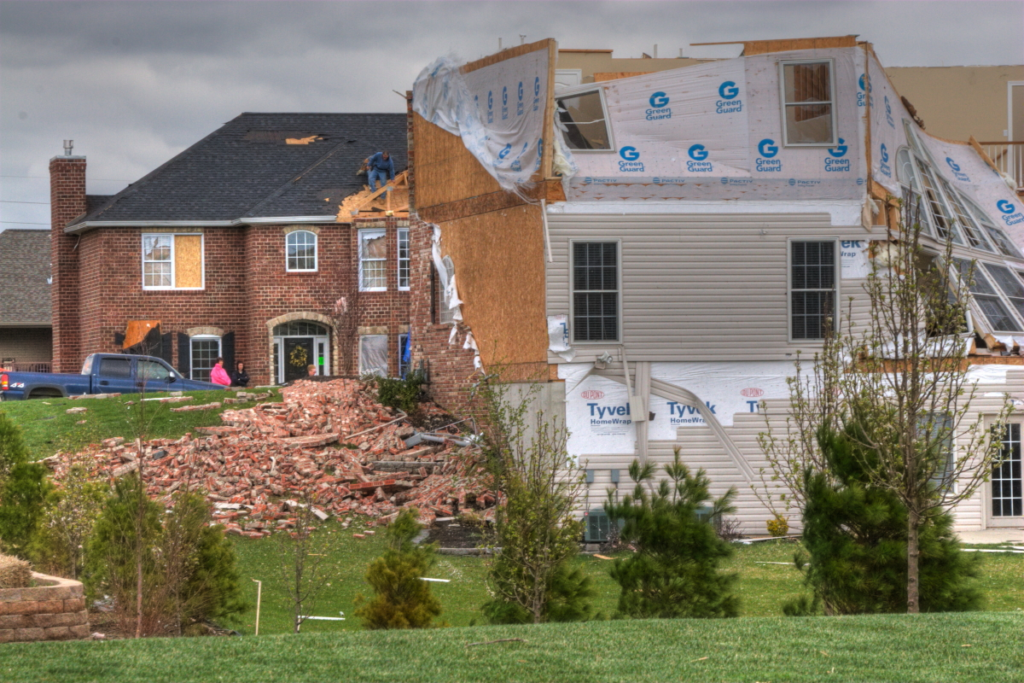
Owning a home is a lifelong dream for many, but it comes with its share of risks. From natural disasters to accidents, unexpected events can cause significant damage to your property. This is where home insurance plays a crucial role, providing financial security and peace of mind. But what exactly does home insurance cover?
Primary Coverage: The Core Protections in Home Insurance
Most home insurance policies offer primary protection, covering essential risks that can lead to property damage or loss. Here’s a detailed breakdown:
- Fire Damage
Home insurance typically includes fire protection, covering damage to the building and its contents caused by accidental fires. Whether it’s a kitchen mishap or a neighbor’s fire spreading to your property, fire coverage ensures you’re financially protected. - Lightning Strikes
Protection against lightning-related damages is another key feature. This includes damage to structures and electrical systems, such as burned wiring or fried appliances caused by a lightning surge. - Explosions
Damage from explosions—be it from gas leaks, chemicals, or other sources—is also covered. However, explosions caused by nuclear incidents or other excluded scenarios may require additional coverage. - Aircraft Crashes
Unlikely but impactful, home insurance often protects against damages caused by falling aircraft or debris. - Smoke Damage
Losses due to smoke—whether from nearby fires or internal combustion—are typically covered, safeguarding both your property and air quality.
Additional Coverage: Optional Protections for Enhanced Security
For broader protection, you can add optional coverages to your home insurance policy. These may require additional premiums but provide invaluable benefits:
- Natural Disasters
This coverage includes damage from floods, earthquakes, tsunamis, hurricanes, and volcanic eruptions. Given the increasing impact of climate change, having disaster protection is a smart move. - Theft and Vandalism
Losses due to theft, vandalism, riots, or sabotage can also be covered under extended policies. Be sure to review the terms, as these protections might require specific endorsements. - Liability Protection
Some policies offer liability coverage, which protects homeowners from legal claims if someone is injured on their property.
Tips for Choosing the Right Home Insurance
To ensure your home and valuables are adequately protected, consider the following:
- Conduct Thorough Research
Compare multiple insurance providers and policies to find one that aligns with your specific needs and budget. - Assess Your Property’s Risk
Evaluate factors like location, construction materials, and proximity to disaster-prone areas. - Understand Policy Details
Carefully read the policy to understand what is included and excluded. Key areas to focus on are claim limits, deductibles, and exclusions. - Choose a Licensed Provider
Always select insurance providers licensed by your local financial or insurance authority for added reliability.
Why Home Insurance Is Essential
Home insurance protects one of your most significant investments, ensuring you’re covered against unforeseen events. Whether it’s a natural disaster, theft, or liability, the right policy can save you from financial turmoil and provide peace of mind.
